
The easiest time to make a good food decision is when you aren’t hungry, rushed, and standing in front of a drive-through menu. Unfortunately, life doesn’t always cooperate. Meetings run long. Traffic gets ridiculous. An appointment takes twice as long as expected. And suddenly dinner needs to happen about 30 minutes ago.
That’s where a ketovore backup plan comes in. A backup meal doesn’t need a recipe card, a complicated shopping list, or its own cooking show. It just needs to be something you enjoy, can prepare quickly, and can keep available for those days when your original plan falls apart. Because sometimes the most useful ingredient in the kitchen is a Plan B.
What Is a Ketovore Backup Meal?
A ketovore backup meal is a simple meal you can put together with minimal effort when you don’t have the time or energy to cook what you had planned. Think of it as your food equivalent of a spare tire. You hope you won’t need it, but you’re awfully glad it’s there when you do.
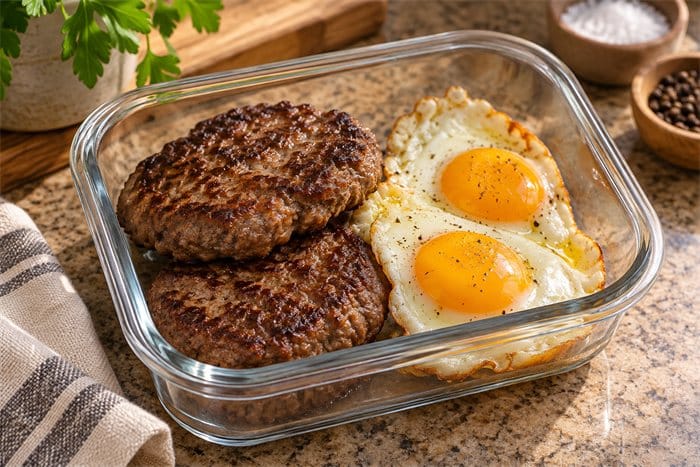
A few examples include: Hamburger patties and eggs. Rotisserie chicken with a little cheese. Canned tuna mixed with mayonnaise. Leftover roast or steak, reheated. Scrambled eggs with leftover meat. Frozen burger patties cooked in a skillet. Your version might look different. That’s fine. The goal is to have an option that fits your way of eating and is easier than starting a whole new dinner plan when you’re already tired.
Start With Foods You Already Like
There’s no prize for stocking a freezer full of food you never want to eat. If tuna isn’t your thing, don’t make tuna your emergency plan. If you enjoy eggs, keep a carton available. If your family likes hamburger patties, consider cooking extra the next time they’re on the menu. The best backup meal is one you’ll actually choose.
It also helps to choose foods that work in more than one situation. Cooked ground beef can become a bowl with cheese, a filling for an omelet, or a quick addition to a salad if vegetables are part of your version of ketovore. Simple food has a way of becoming useful again and again.
Keep a Few Options in Different Places
A little planning goes a long way when it covers more than one situation.
In the refrigerator
Keep one or two ready-to-use proteins available when practical: Cooked hamburger patties, Hard-boiled eggs, Leftover chicken or beef, Cheese, & A rotisserie chicken. A container of leftovers can be tomorrow’s lunch instead of tomorrow’s mystery science project. Label it with the date so you know when it was prepared.
In the freezer
The freezer is useful when the refrigerator is empty and the day has gotten away from you. Try keeping frozen burger patties, chicken, or portions of cooked meat on hand. Freeze portions in sizes that make sense for your household so you don’t need to thaw enough dinner for an entire football team.
In the pantry
Shelf-stable choices can fill the gap when shopping hasn’t happened yet: Canned tuna, salmon, chicken, or sardines. Your preferred seasonings. Mayonnaise or mustard, as appropriate. Low-sugar condiments you enjoy. Check the labels on packaged foods and sauces if you’re watching carbohydrate intake. Ingredients and serving sizes can differ quite a bit between brands.
Cook Once and Give Yourself Options
Meal prep doesn’t have to mean spending Sunday arranging 14 identical containers across the kitchen counter. You can keep it much simpler: cook a little extra when you’re already making a meal. If you’re grilling burgers, make a few extra patties. If you’re cooking a roast, portion some leftovers for later. If chicken is on the menu, set aside enough for another meal before everyone starts picking at it.
Then decide how you might use it:
- Reheat it as the main part of a meal.
- Add eggs for a quick breakfast or dinner.
- Pair it with cheese or a low-carb side you enjoy.
- Pack a portion for lunch the next day.
That small amount of preparation can save a surprising amount of decision-making later. For more ideas on keeping basics available, see My Simple Ketovore Grocery List—and How I Save Money on Meat.
Have a Plan for When You’re Away From Home
A backup plan can also be as simple as knowing what you might order when you’re out. Depending on the restaurant, options may include a burger without the bun, grilled meat, eggs, or a chicken dish with substitutions. Ask about breading, sauces, or added sugar when those details matter to you.
The goal isn’t to make eating out complicated. It’s to walk in with a general idea so the bread basket doesn’t get to make all the decisions. For a practical example, read How I Made a Better Ketovore Choice at a Business Lunch.
Keep Food Safety Part of the Plan
Backup meals are only useful if the food is still safe to eat. Refrigerate perishable food promptly, keep your refrigerator at 40°F or below, and use refrigerated cooked leftovers within the recommended time or freeze them. The USDA recommends using most cooked leftovers within three to four days. Follow safe cooking and reheating guidance for the specific food you’re preparing. See the USDA’s guidance on leftovers and food safety for details.
Your Plan Can Be Simple
You don’t have to prepare for every possible situation. Start with one question: What could I eat in the next 10 minutes if my dinner plans changed? If you don’t have an answer, pick one or two foods to add to your next grocery list. Keep them available, use them when needed, and replace them when they’re gone.
A backup meal won’t solve every challenge that comes with changing how you eat. But it can make the busy days a little easier—and those are often the days when a little preparation matters most.
This article is for general information and is not medical advice. Individual dietary needs vary; consult your healthcare professional about significant dietary changes.

0 Comments